Child health and nutrition: saving lives through nourishment


Malnutrition is one of the greatest threats to child survival worldwide. Nearly half of all child deaths globally are linked to undernutrition, making it one of the most devastating yet preventable public health challenges of our time.
The consequences of malnutrition are most severe during the first thousand days of life. This period, from conception through to a child’s second birthday, is a critical window when nutrition shapes survival, brain development, and long-term health. During this period, inadequate nutrition weakens immune systems, leaving children far more vulnerable to common infections such as pneumonia, diarrhoea, and malaria. Children who are severely malnourished are up to nine times more likely to die than their well-nourished peers. It is estimated that, at any given time, there are over 40 million children under the age of five across the globe suffering from the consequences of acute malnutrition.
For those who survive early malnutrition, the effects can be lifelong: impaired cognitive development, chronic illness, stunted growth, and physical wasting. Statistics show that more than 12 million children world-wide at any given time are affected by severe acute wasting (often referred to as severe acute malnutrition), a condition characterised by rapid weight loss and depletion of muscle mass. More broadly, these health challenges can also lead to lower educational attainment, reducing their access to future opportunities in later life. The crisis does not occur in isolation. Poverty, food insecurity, inequalities, climate shocks, and fragile health systems intersect to push children into malnutrition and keep families trapped in cycles of vulnerability. Undernourished girls often grow into undernourished mothers, perpetuating disadvantage across generations.
After years of steady progress, global malnutrition rates are rising again, driven by conflict, economic instability, and climate change. Yet this is not an unsolvable tragedy. Proven, cost-effective nutrition interventions exist. The challenge is not whether child malnutrition can be ended, but whether the world will act with the urgency and coordination required.
Addressing child malnutrition at the necessary scale requires sustained investment across hunger prevention,
treatment for negative health impacts, and the systems that deliver nutrition where and when it matters most. This includes considering the full nutrition ecosystem: safeguarding nutrition during pregnancy, supporting breastfeeding and complementary feeding, preventing micronutrient deficiencies in young children, and ensuring that children suffering from severe acute malnutrition can access life-saving treatment.
A key example of success in these efforts is seen in the Child Nutrition Fund (CNF) at UNICEF, a financing mechanism which is funded by CIFF and other philanthropy organisations and is designed to accelerate country-led action on malnutrition. The CNF works by matching domestic government investment and incentivising political commitment while mobilising additional resources to strengthen national nutrition programmes. This approach helps countries to move faster, invest more, and better integrate nutrition into their national health systems.
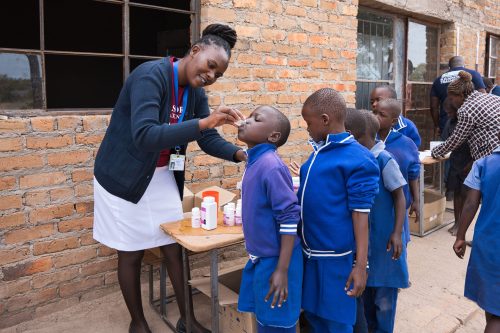
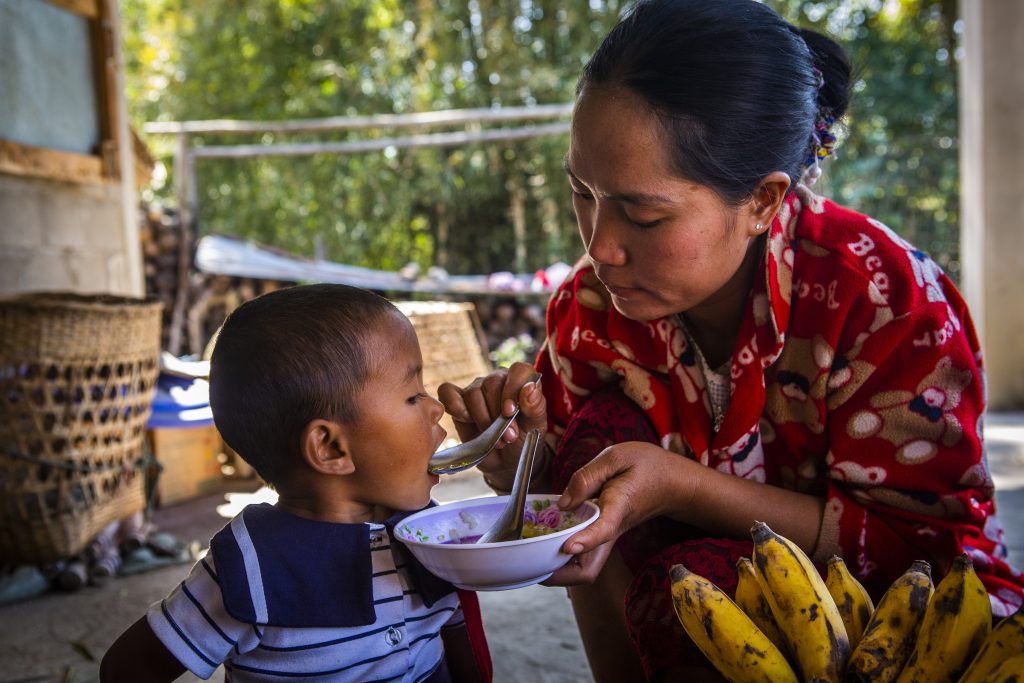
Through partnerships with the CNF, nutrition programmes are expanding access to ready-to-use therapeutic food for children with severe acute malnutrition, while also strengthening prevention efforts for pregnant women and young children. This includes providing multiple micronutrient supplements during pregnancy, small-quantity lipid-based nutrient supplements (SQ-LNS) for young children, improved management of moderate acute malnutrition, and skills-based infant and young child feeding (IYCF) support for caregivers. For the first time, countries are using innovative financing mechanisms not only to treat malnutrition, but to prevent it before it becomes life-threatening.
Beyond commodities, the solution is systems-led. Nutrition interventions are most effective when integrated with primary healthcare, maternal and newborn services, water and sanitation, and social protection. Aligning with updated World Health Organization guidelines, this multisectoral approach recognises that preventing malnutrition requires a package of interventions delivered together, supported by trained health workers, strong supply chains, and reliable data systems.
Together, these efforts demonstrate that child malnutrition can be tackled affordably, at scale, and with lasting impact when financing, policy, and delivery are aligned.
Partners




National governments play a central leadership role in addressing malnutrition by setting priorities, co-financing programmes, and embedding nutrition within health and social protection systems. Through mechanisms such as the Child Nutrition Fund, governments are increasing domestic investment and strengthening accountability for results.
Philanthropic partners have played a catalytic role in accelerating progress on nutrition by mobilising flexible capital, supporting innovation, and reducing the risks involved in scale-up. Foundations such as CIFF have committed significant resources to help expand access to life-saving nutrition interventions, strengthen national systems, and raise global ambition.
UNICEF leads the Child Nutrition Fund, coordinating financing, procurement, and country implementation. The World Health Organization provides the normative guidance that underpins prevention and treatment strategies, helping ensure interventions are evidence-based and cost-effective to amplify reach, helping the most people possible.
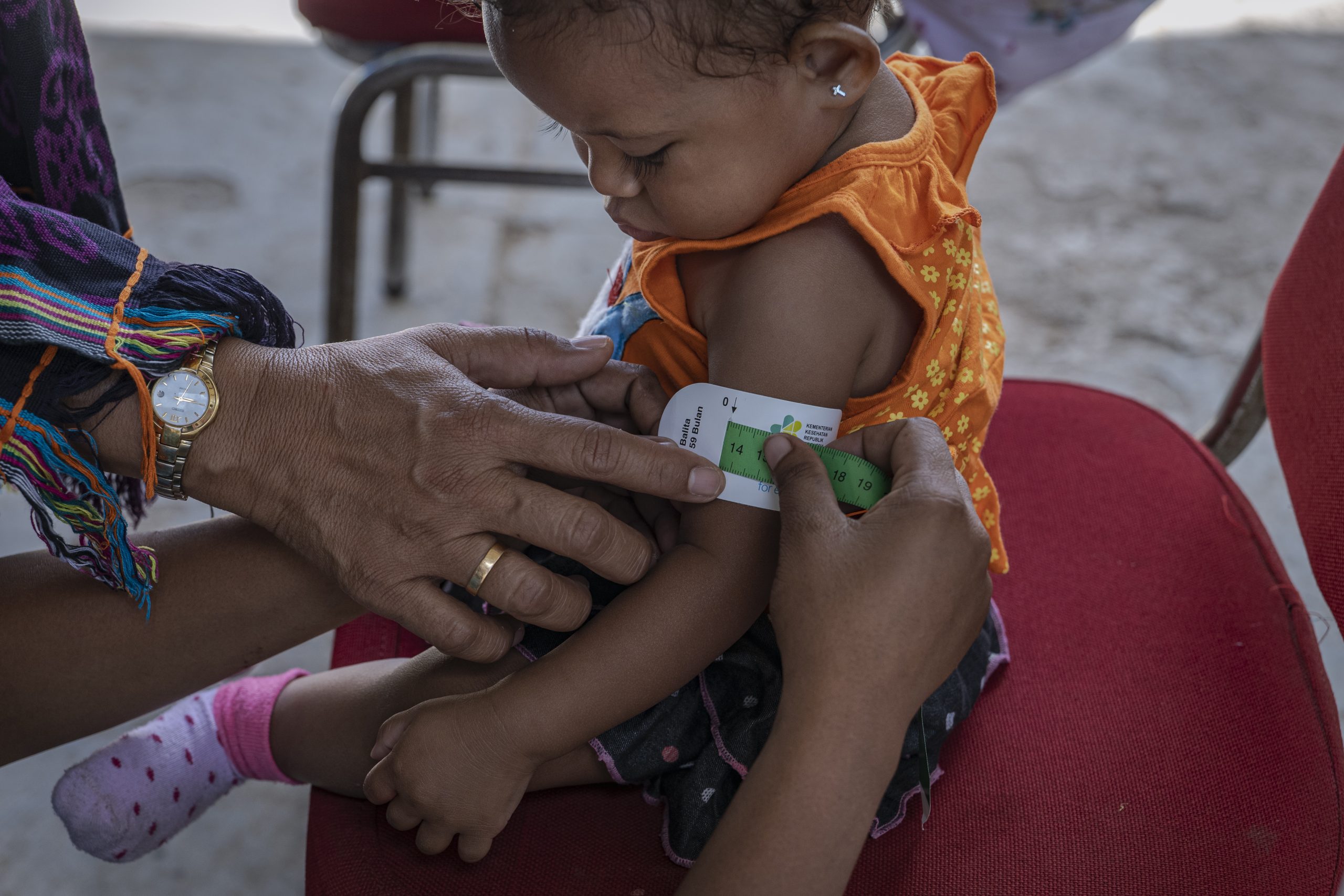
Through CIFF’s partnership with the Child Nutrition Fund, life-saving ready-to-use therapeutic food has reached close to one million children suffering from severe acute malnutrition, dramatically reducing their risk of death and long-term disability. This is alongside additional malnutrition prevention measures such as nutrient supplements for children and mothers, and health assessment mechanisms to screen children for the early signs of malnutrition, better enabling effective intervention. More broadly, UNICEF and partners are reaching over 9 million children a year with essential child malnutrition treatment services.
CIFF has invested over US $120 million to the Child Nutrition Fund to help coordinate global investments, double domestic contributions, and strengthen local supply chains to ensure sustainable access to essential nutrition for an ambitious 320 million children and women by 2030.
As of 2026, the Child Nutrition Fund has mobilised over US $859 million, expanded to 63 countries, and advanced multi‑year partnerships with at least seven national governments. Through the Match Window mechanism, the Child Nutrition Fund enabled 18 high‑burden countries to significantly expand resources for wasting prevention and treatment.
For children,
nutrition is the difference between survival and loss, between reaching their full potential or having it permanently constrained. When children receive the nutrients they need during the first thousand days of life, they are more likely to survive, grow, learn, and thrive.
Good nutrition strengthens immune systems, supports brain development, and lays the foundation for lifelong health and opportunity. By scaling proven, life-saving nutrition interventions today, this work helps ensure that millions more children are not only saved from preventable death, but are given the chance to grow into healthy adults with the opportunity to shape their own futures.