Africa
In partnership with African institutions and national governments, CIFF is working towards a healthier, fairer and more climate-resilient future for all children.

Introduction
By cultivating deep and meaningful partnerships with African governments and institutions, we aim to increase the resilience and wellbeing of communities and elevate opportunities for children, while supporting the development priorities of the countries we work with and aligning with the African Union’s Agenda 2063.
CIFF’s work in Africa prioritises strengthening health, nutrition, water and education systems; advancing choice and opportunity for women and girls; driving green growth; and mobilising financial and policy levers to scale sustainable solutions – ensuring children thrive in an Africa that shapes its own future.
Investment case
Africa is one of the fastest-growing continents, in terms of both population and GDP growth. Our work in Africa covers all of CIFF’s global priorities, recognising that a self-determining, resilient and successful Africa has a rippling impact across the world.



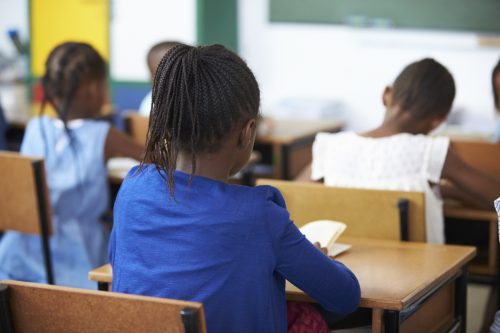
When girls have access to education, they – and whole economies – can benefit. However, 95% of girls from disadvantaged, rural communities in Africa never complete secondary school.

Better access to education for girls could unlock $2.4 trillion in income across Africa by 2040, improving life chances and wellbeing while growing economies.
Protecting women against violence is a moral as well as economic investment.
In sub-Saharan Africa there is an 8% decrease in economic activity when the share of women affected by gender-based violence rises by even 1%.
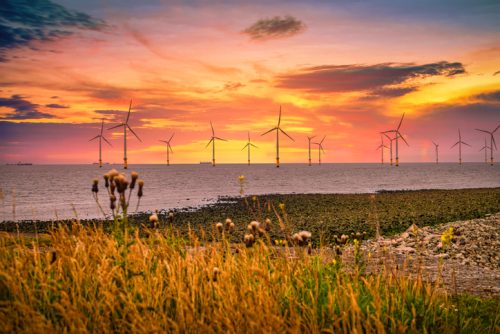
The green energy transition presents an enormous growth opportunity for countries across Africa and helps to protect economies against shocks. 3.3 million jobs could be created by 2030, driven mainly by renewable energy, e-mobility, construction and manufacturing.
Green growth supports diversification away from resource-intensive, climate-vulnerable sectors, reducing exposure to commodity shocks and increasing long-term GDP stability.
Our priorities
Nutrition
Our goal: To break intergenerational cycles of malnutrition in Africa.
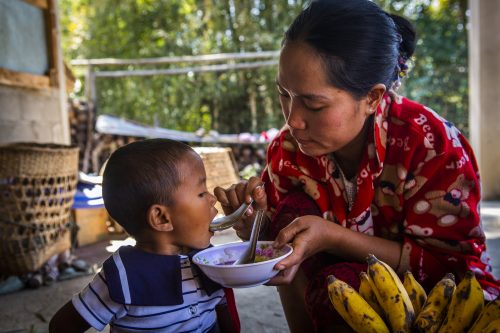
Drivers of malnutrition are interrelated, and their impact is carried from one life stage to the next, creating a devastating cycle with compounding effects on health, social and economic development.
To break this cycle, CIFF is working with partners across four critical transition windows: pregnancy, the first five years of life, childhood and adolescence, where interventions are most likely to be sustained to deliver nutrition gains throughout the life cycle, as well as for future generations. CIFF supports partners to:
- Target nutrition-specific gaps through optimising delivery of products and services
- Advance nutrition policies
- Unlock innovations for testing and scale
- Catalyse funding with efficient use of resources.
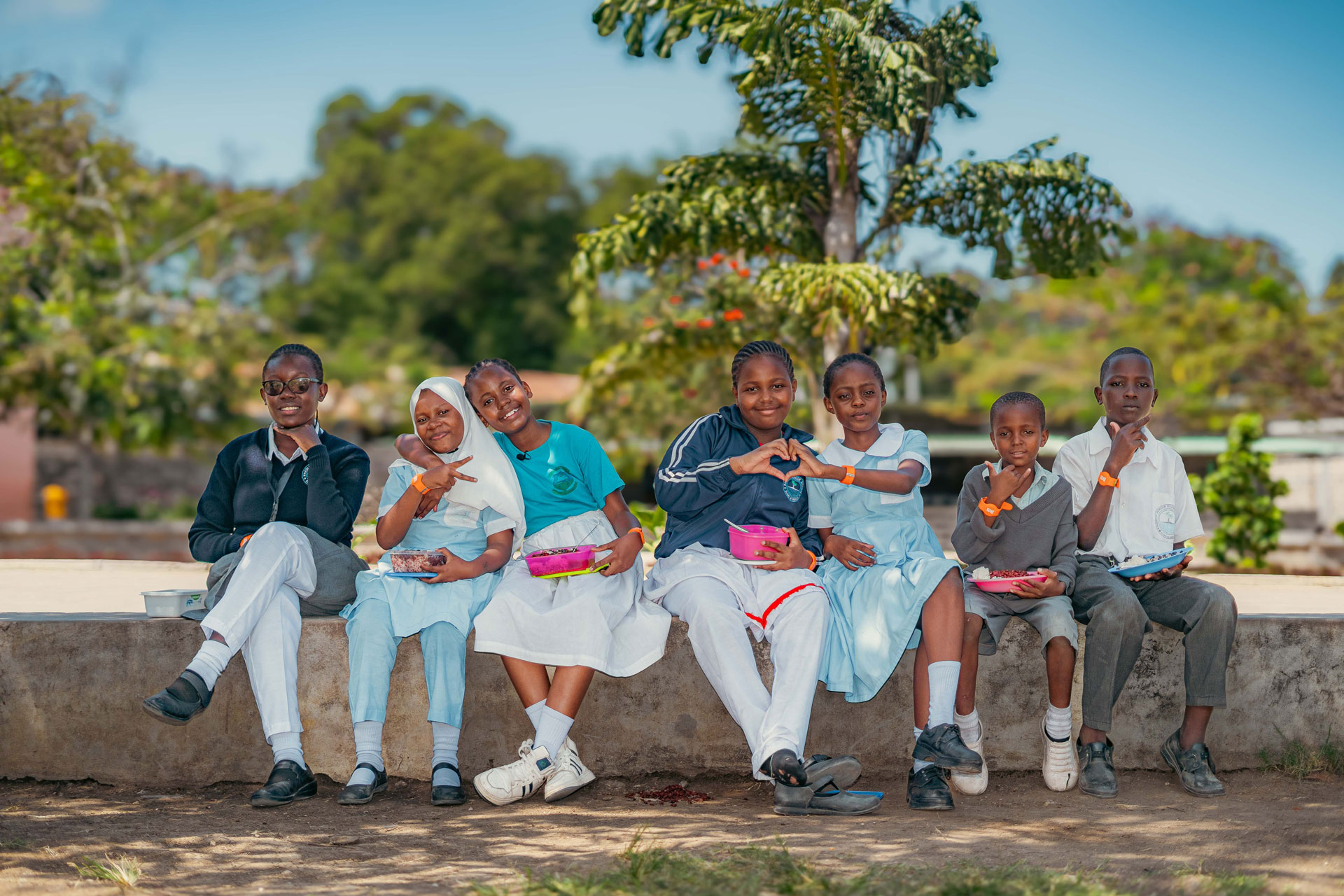
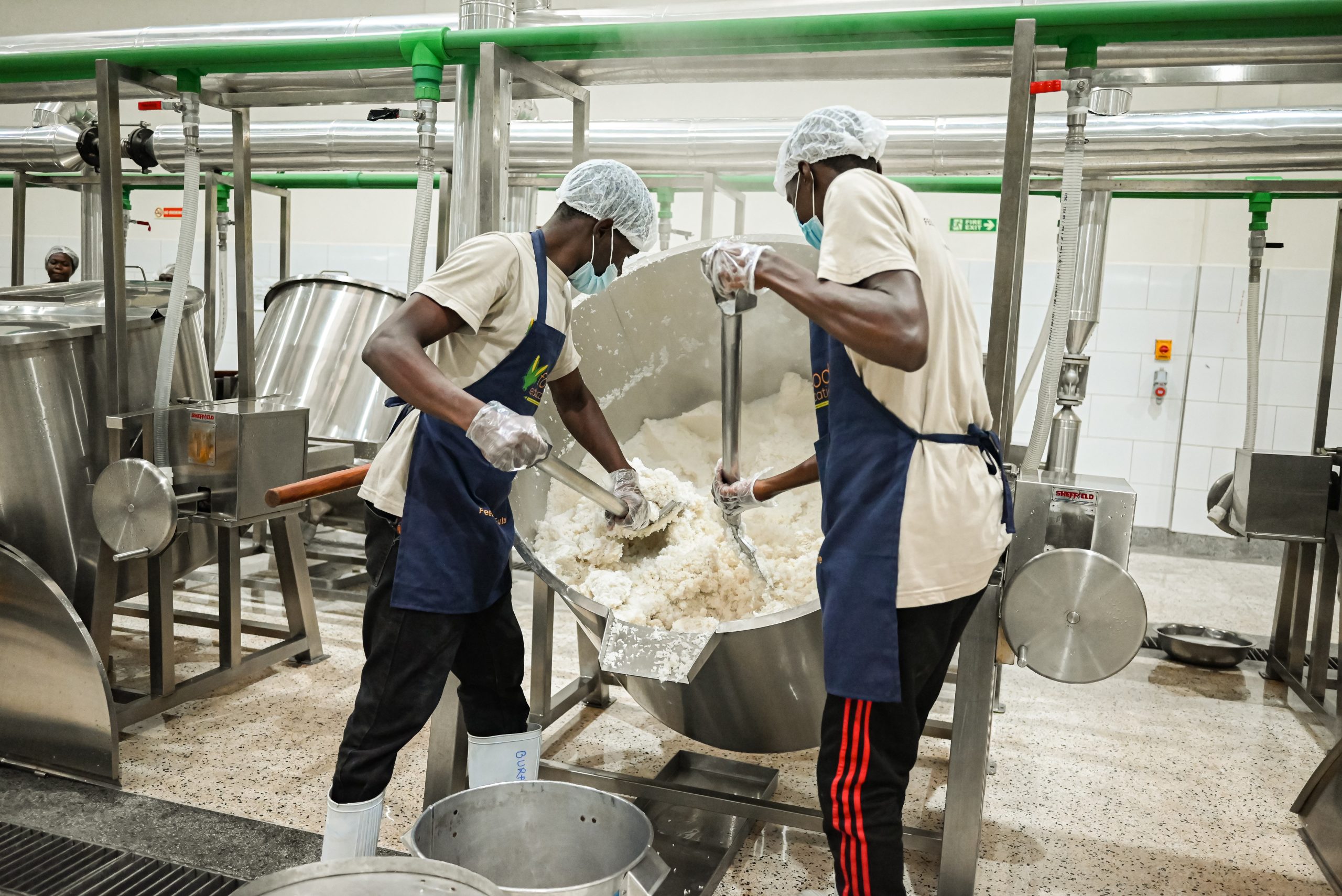
Scaling school feeding programmes is one example of this work, as we partner with the African Development Bank to extend new models of philanthropic funding blended with concessional financing, to scale the benefits of this intervention across the continent, guided and led by governments.
Neglected tropical diseases (NTDs)
Our goal: To eliminate seven NTDs across Africa.
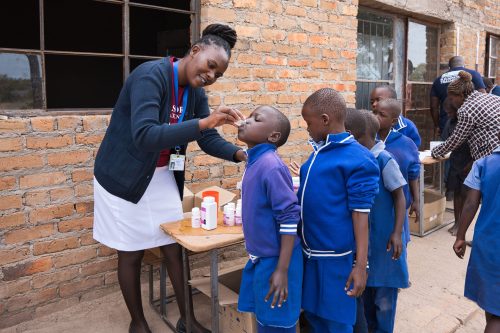
Often described as “diseases of poverty”, NTDs are debilitating conditions that trap individuals and communities in cycles of deprivation. But NTDs are preventable, treatable, and even eradicable. There has been an encouraging surge in global efforts to control and end NTDs, and 58 countries had eliminated at least one NTD by November 2025.
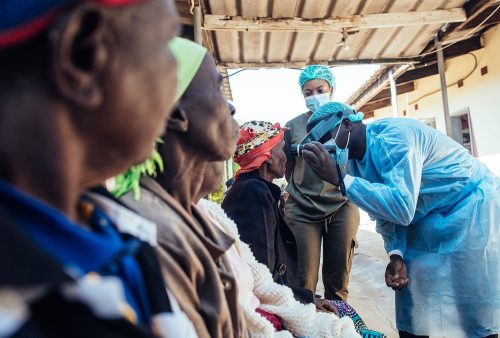
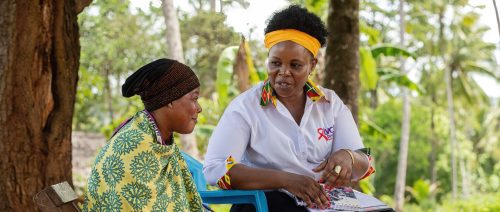
CIFF works in collaboration with governments, global NGOs, local partners and community health workers across Africa to support the elimination of NTDs at scale. Collectively, we’re working towards the WHO goal for 100 countries to have eliminated at least one NTD by 2030.
There is an opportunity to reach at least 400 million people across 42 countries in Africa through service delivery, evidence generation and ecosystem building. This can be achieved by collaborating with partners on innovative, data-driven interventions, government-led programming, strengthening systems and platforms, and developing financial mechanisms, including unlocking and leveraging domestic resources.
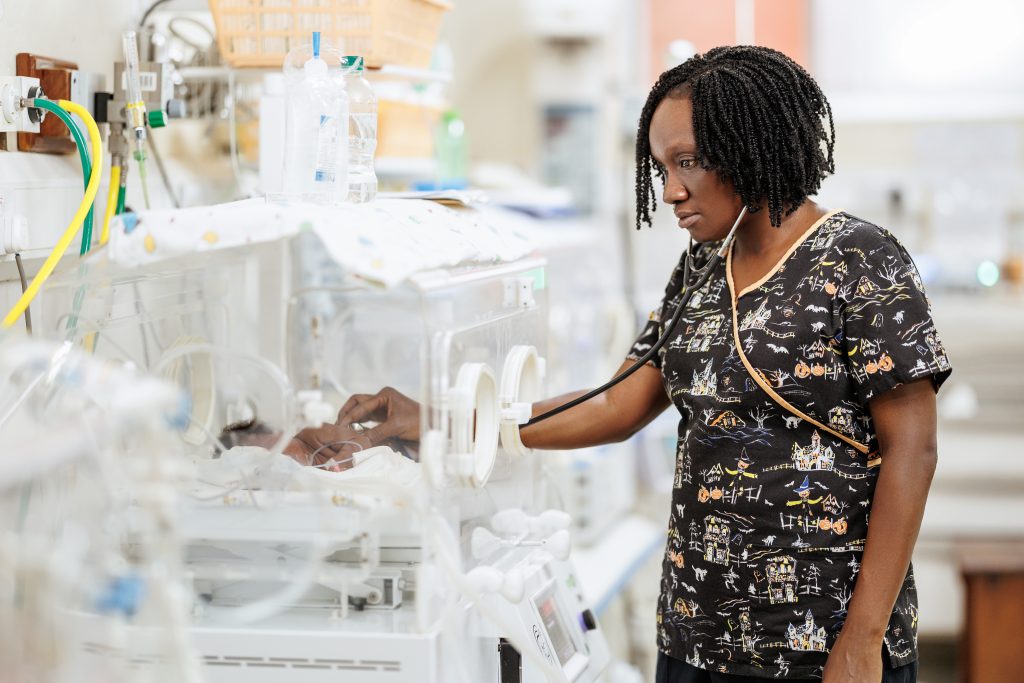
Maternal, newborn and child health
Our goal: To end preventable deaths of mothers, newborns and children under five.
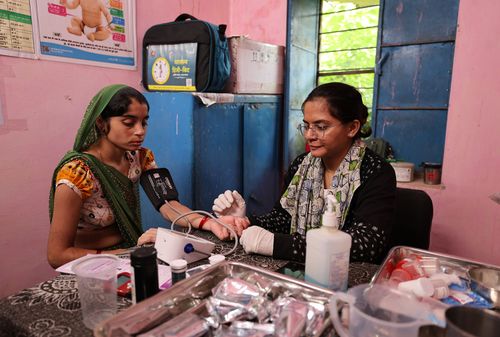
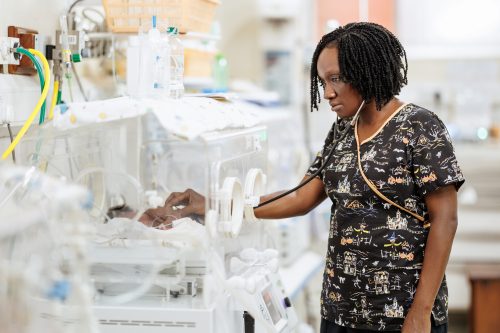
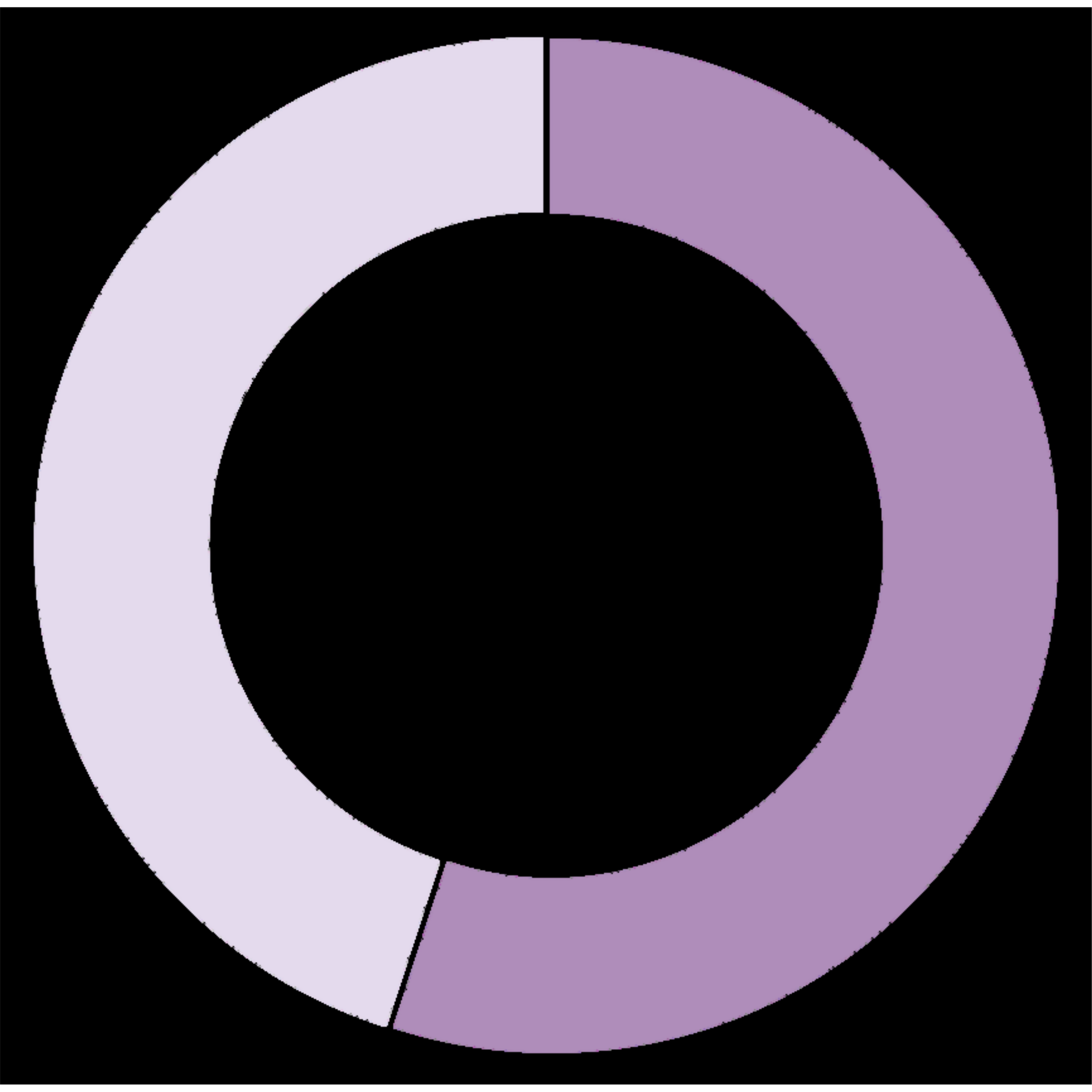
Africa accounts for 70% of maternal, 48% of newborn and 57% of under-five deaths globally with with a large majority of them being preventable (WHO). Their causes are known, and along with partners we know what needs to be done to prevent these mortalities.
Our vision is to improve the quality of care across the four critical windows – pregnancy, the time of birth, the first 28 days, and the first five years of life – where most maternal, newborn and child deaths occur. Together with our partners, and driven by governments, this work is focused on prioritising and scaling life-saving and cost-effective interventions through technical assistance, strengthening data systems, optimising resources and supporting sustainable domestic financing.
Ending violence against children
Our goal: To end child rape, pregnancy and marriage, and ensure quality education for girls across Africa.
We are working to ensure girls are valued and empowered to live in safe and supportive environments. Girls don’t live their lives in silos, so we take an integrated approach across girls’ education, access to reproductive health choices, and empowering the voices of survivors.
We form strong partnerships to confront the root causes of intergenerational cycles of violence, to shift the axis toward cycles of empowerment and prosperity for women and girls.
Related story:
Clean growth and sustainable finance
Our goal: Accelerating Africa’s development agenda and the climate transition.
We work closely with committed partners on research, pilot projects, capacity-building and sharing best practices, in order to accelerate a just transition and drive clean and resilient growth – the key driver for rising prosperity across the continent.
We work with partners to mobilise catalytic capital, unlock private and philanthropic investments, and empower Africa-led, scalable financing solutions. This work is crucial to access millions more funding for SDG-linked investments, as well as engage and empower governments.
“There is nothing on the agenda of any African country that we can’t achieve for and by ourselves if we create the right policies, financial structures and incentives for investment. Philanthropy can play a vital role in unleashing capital to drive these initiatives forward."
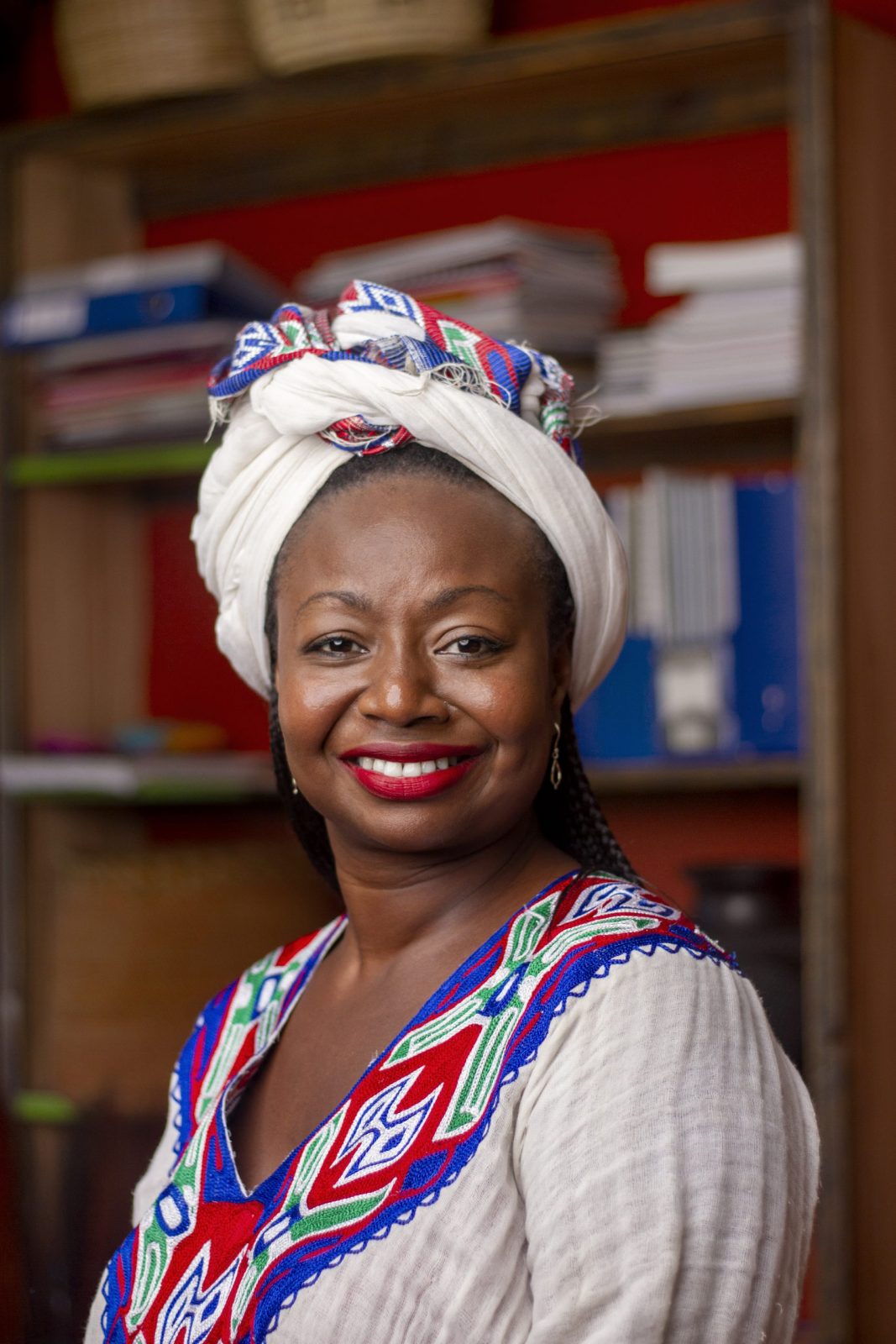
Director for Africa, CIFF
Water, sanitation, and hygiene (WASH)
Our goal: To accelerate access to safely managed, climate-resilient water, sanitation and hygiene (WASH) services for every child
Water represents a fundamental intersection across all our work. Without safe drinking water, children are more vulnerable to disease. When children have to spend time collecting water, it takes time away from their education and reduces their opportunities. And the challenge of water scarcity is only being made worse by climate change.
The most effective WASH solutions are those which are integrated into health and education systems and embedded through society. These investments have immense co-benefits across communities, as outlined by UNICEF.
Examples of CIFF’s partners’ work on WASH include:
- Water and sanitation access for communities in informal settlements in Nairobi, Kenya
- Integration of WASH in schools and health facilities in Ethiopia
- Breaking the transmission of soil-transmitted helminths & schistosomiasis through WASH access.
- Helping countries develop investible WASH compacts
- Accelerating the implementation of WASH investments financed by multilateral development banks (MDBs)

Our approach
Our work in Africa covers all of CIFF’s global priorities, recognising that a self-determining, resilient and successful Africa has a rippling impact across the world.

Prioritising local ownership, while sharing learnings across geographies
The best solutions come from within. We back African-led, evidence-driven initiatives, investing in what works and where it works – optimising resources to maximise impact, efficiency and long-term sustainability. This includes encouraging learning and collaboration across the continent and across the world.

Working as a bridge-builder
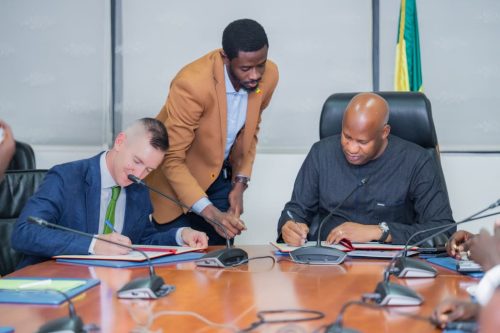
Change is not a solo mission; it is best done in collaboration. We work side by side with governments, NGOs and the private sector in Africa, acting as a resourceful ecosystem partner valuing diverse insights, skills, and expertise from across sectors.
Accelerating large-scale change
We ensure sustainable and resilient long-term development by addressing root causes of inequality, and barriers to children’s wellbeing.
Africa team
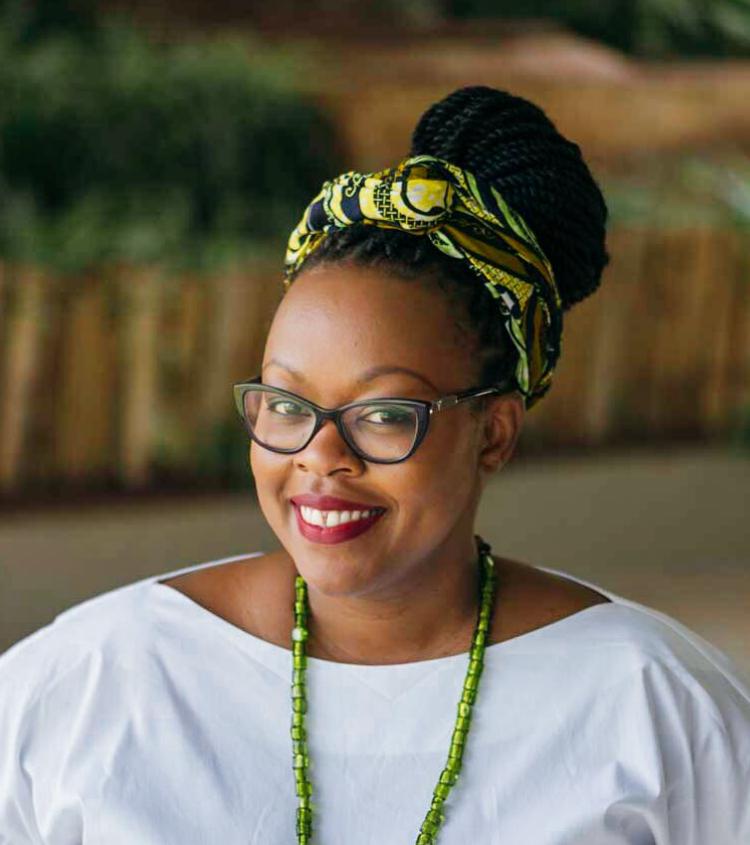
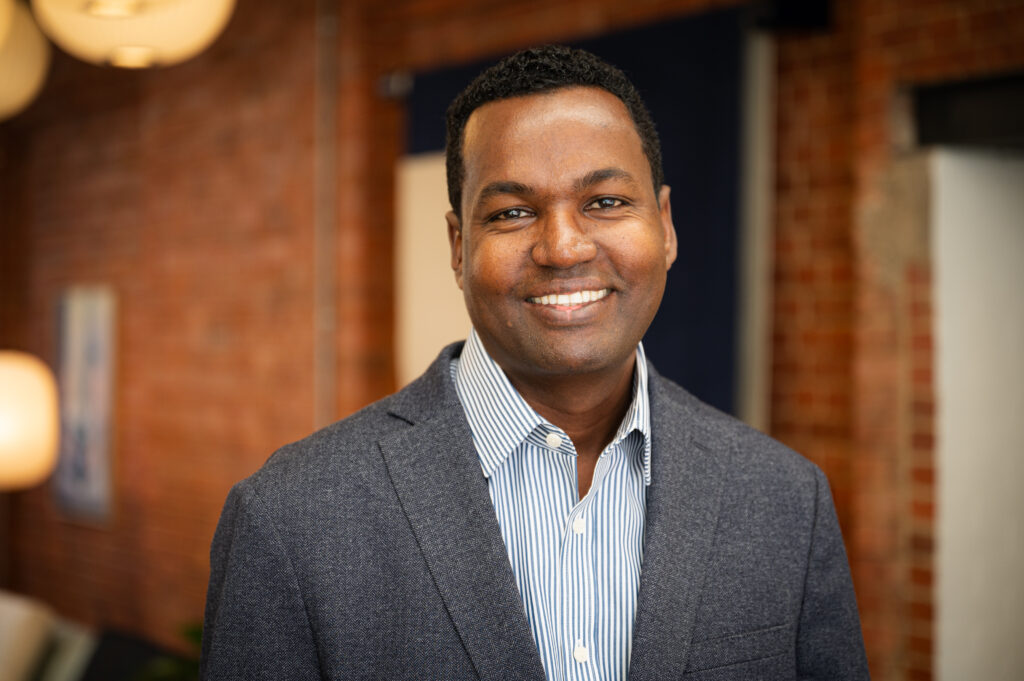
CIFF’s work in Africa is led by a leadership team with experience across government, finance, education, health and livelihoods sectors as well as multilateral institutions.
Related regions and programmes
CIFF’s work in Africa covers all key global opportunities that CIFF prioritises.