Health & nutrition
Better health and nutrition is one of the world’s greatest levers for progress.
Introduction
Improved health and nutrition transform the lives of children – helping them learn, play, make friends and live happier lives. It also has a positive ripple effect across our economies, health systems, and wider society. Solutions exist that are affordable and sustainable.
CIFF is working with governments and partners globally to scale and sustain them. By taking action now, we have the potential to save millions of lives – both today and in the future – while also multiplying positive indirect effects.

Investment case
From economic prosperity to education, child protection and system-wide resilience, here are some examples of why investments in health and nutrition are profound investments in communities.





Each $1 invested in nutrition has an up to $35 benefit to the economy and, on average, every dollar invested in vaccination provides a return of $54 in broader economic benefits.

For every 100,000 children fed, up to 1,377 jobs are created.
Well-nourished children are 33% more likely to escape poverty as adults.
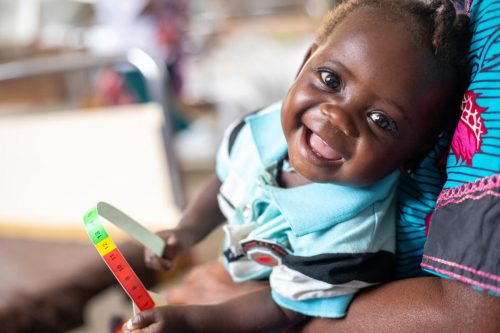
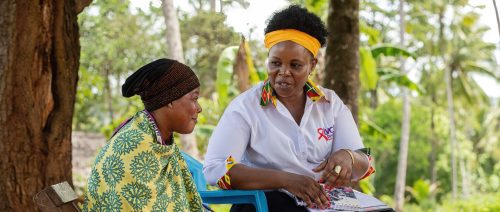
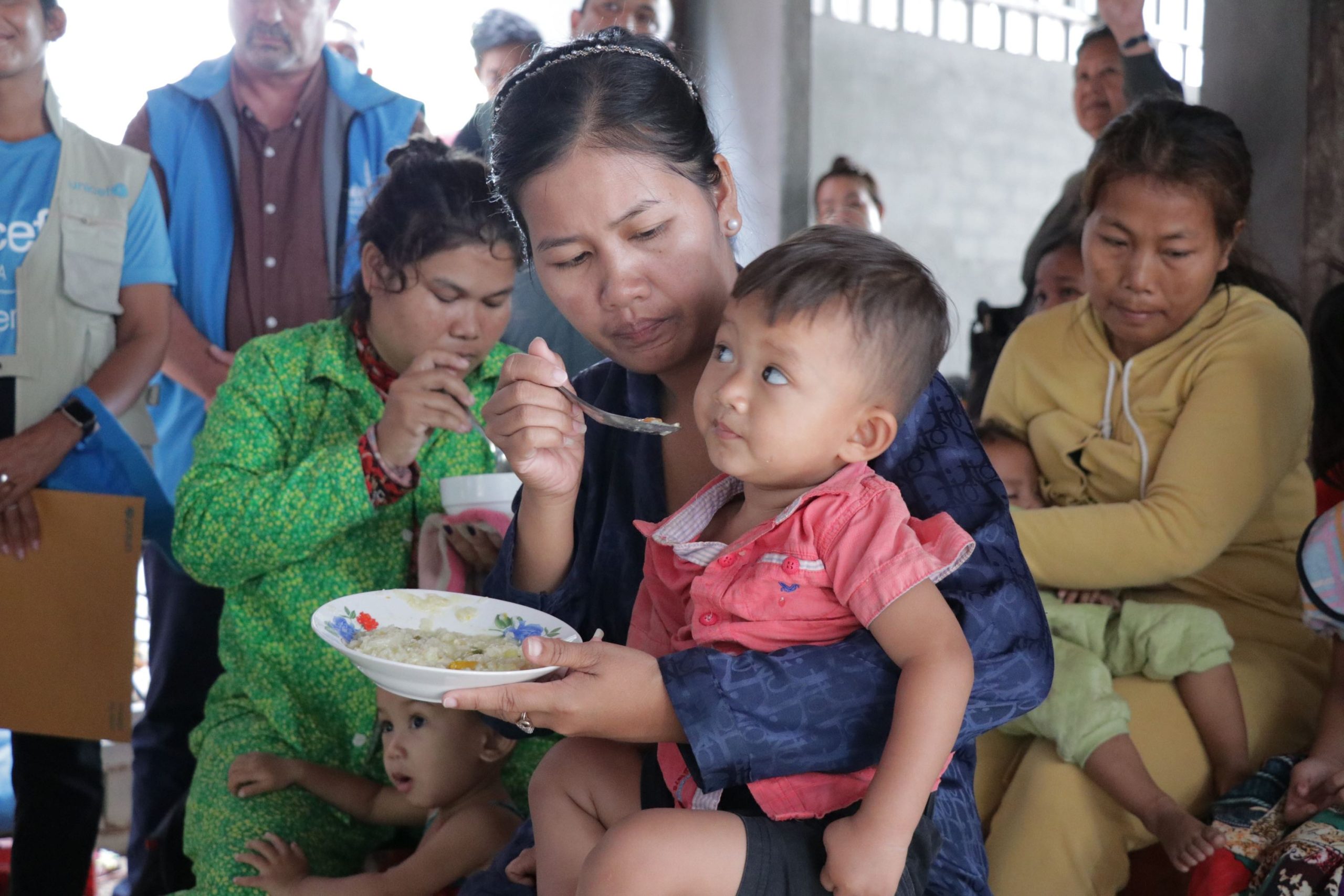
At any given time, around 45 million children are facing child wasting, one of the most acute forms of malnutrition, and almost half of all child deaths globally are linked to undernutrition. Evidence-backed and cost-effective interventions offer a more than 90% recovery rate for uncomplicated malnutrition, effectively saving millions of children across the world.
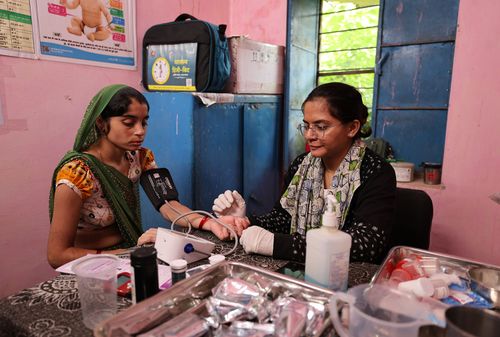
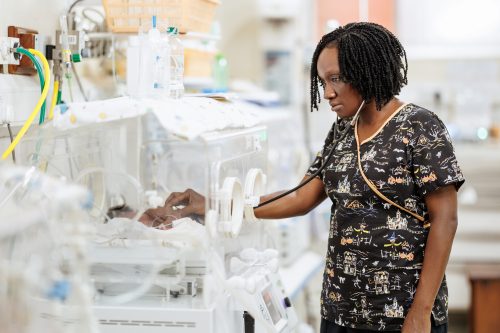
For example, an estimated 2.8 million pregnant women and newborns die each year, mostly from preventable causes — that is equal to one death every 11 seconds. However, 83% of maternal deaths, stillbirths and neonatal deaths could be prevented through sufficient numbers of trained healthcare staff.
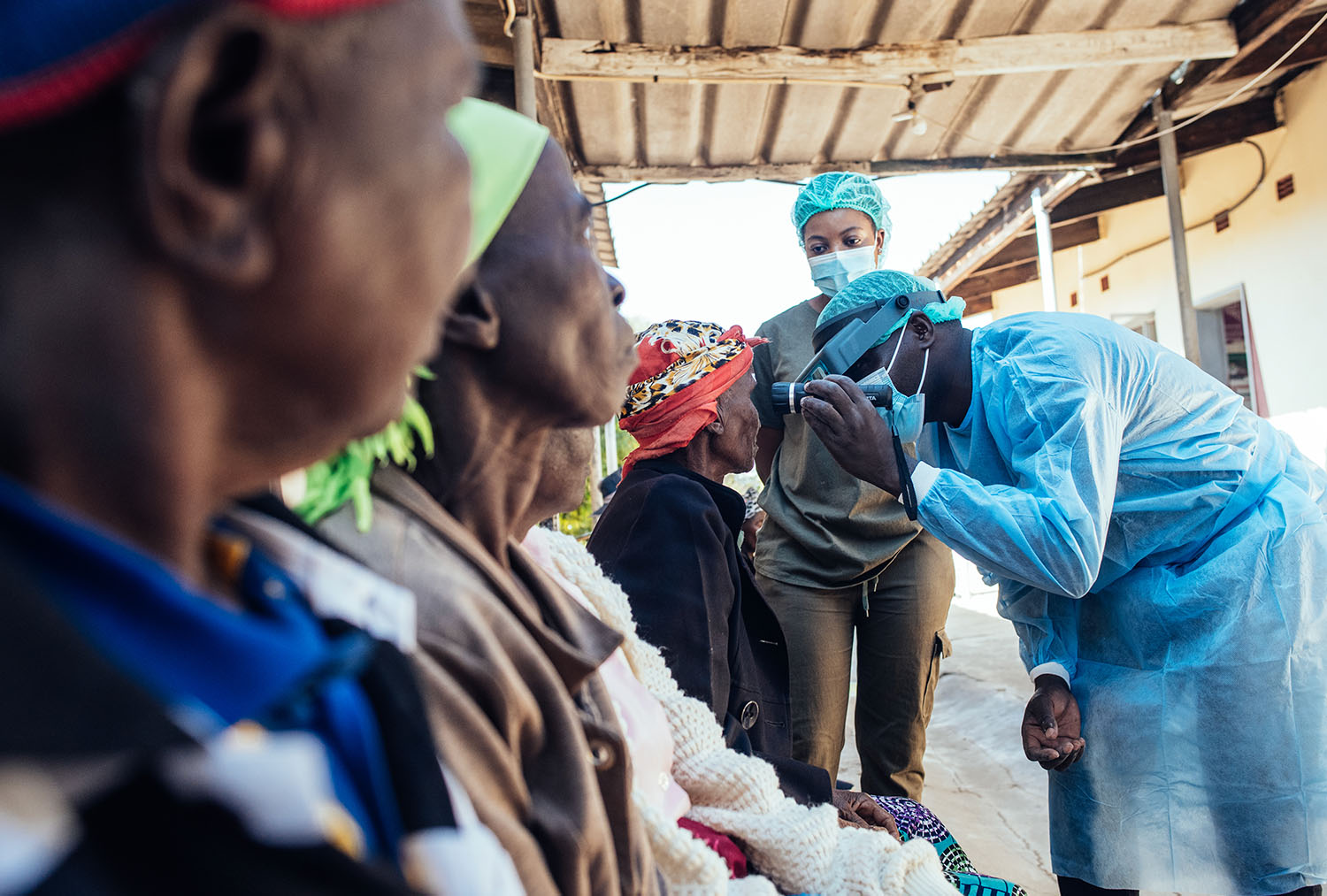
In Africa, where one in three (519 million) people are at risk of neglected tropical diseases (NTDs)…
…households collectively lose out on $33 billion each year from out-of-pocket health costs and lost wages, with negative knock-on effects for whole economies.
But elimination is possible: as of April 2026, 58 countries have eliminated at least one NTD – 24 of which were in Africa.
Elimination of the 5PC NTDs (those treated with preventative chemotherapy) in Africa will result in the mitigation of 18 million disability-adjusted life years (DALYs) by 2030, with potential to exceed 58 million by 2050 and 93 million in the long run.
Each $1 invested in NTD programmes delivers up to $25 in community benefits.
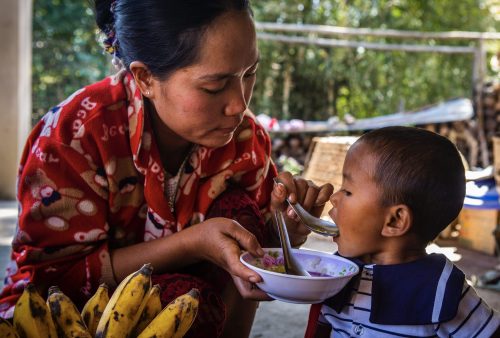
Improving nutrition among children enables them to learn, improves education outcomes, and allows them to realise their full potential.
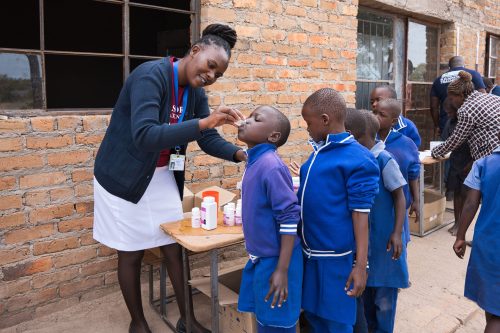
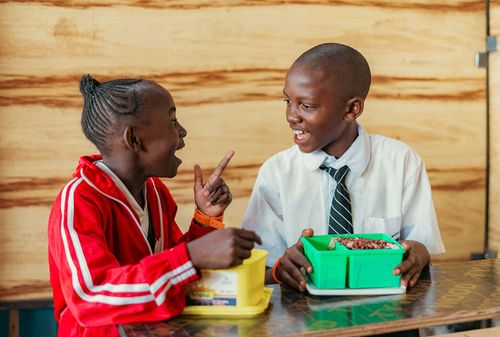
School feeding programmes have been found to increase school enrolment by up to 9%. They also reduce the prevalence of anaemia in girls by up to 20% – ensuring all children have the nutrition they need to thrive in school and into the future.
Our health and nutrition priorities
Nutrition
Our goal: To accelerate progress towards the World Health Assembly goal of reducing wasting prevalence by 5% by 2030, and break intergenerational cycles of malnutrition globally.




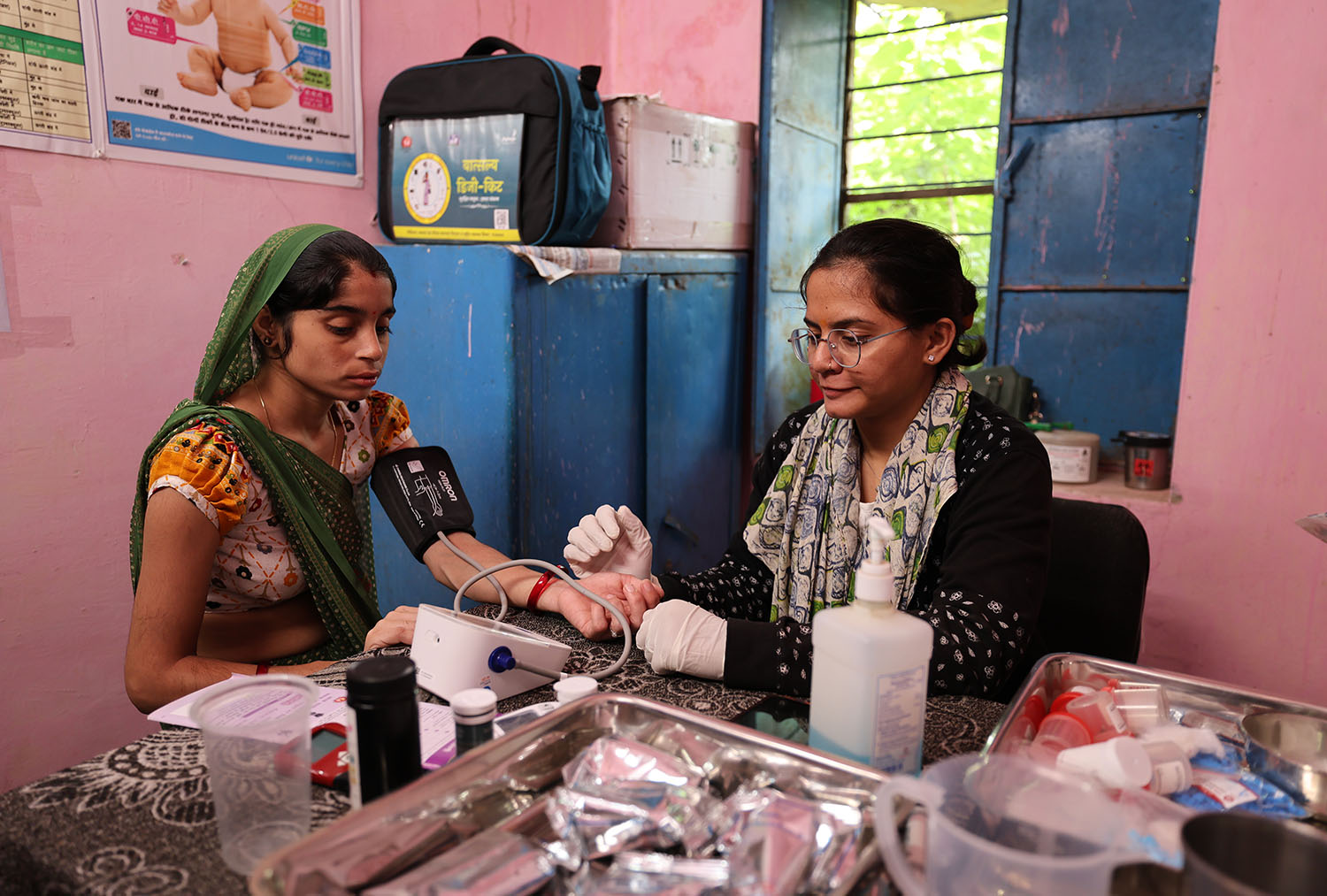
Maternal, newborn and child health (MNCH)
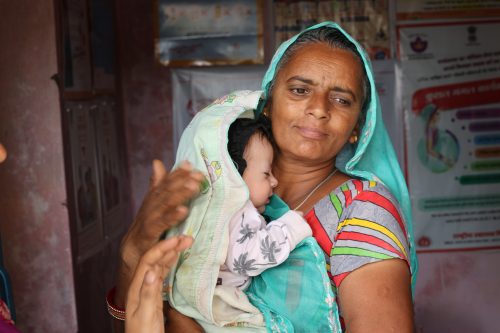
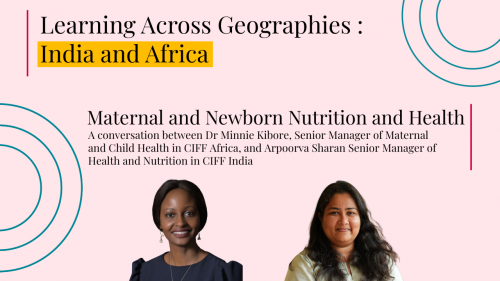
Our goal: To support governments and invest in local partners to reduce preventable mortality and ensure that infants and mothers can lead healthier, happier and more prosperous lives. In India, we specifically focus on reducing low birthweight to help more children get the strong, healthy start they deserve.
Neglected tropical diseases
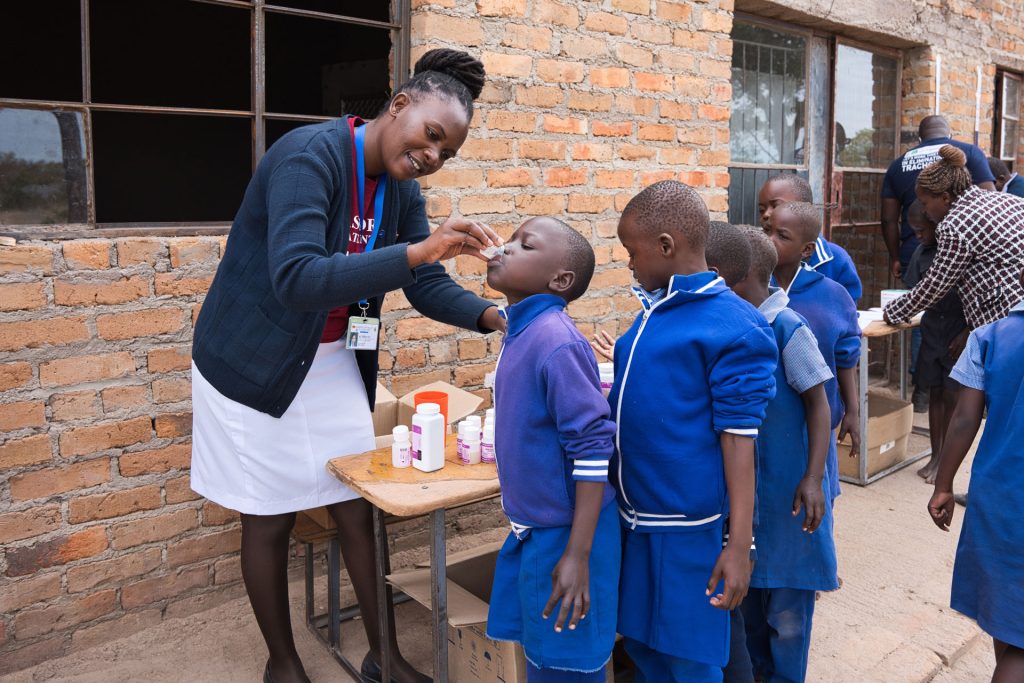
Our goal: To eliminate neglected tropical diseases (NTDs) across Africa, focusing on seven priority diseases.
HIV and TB
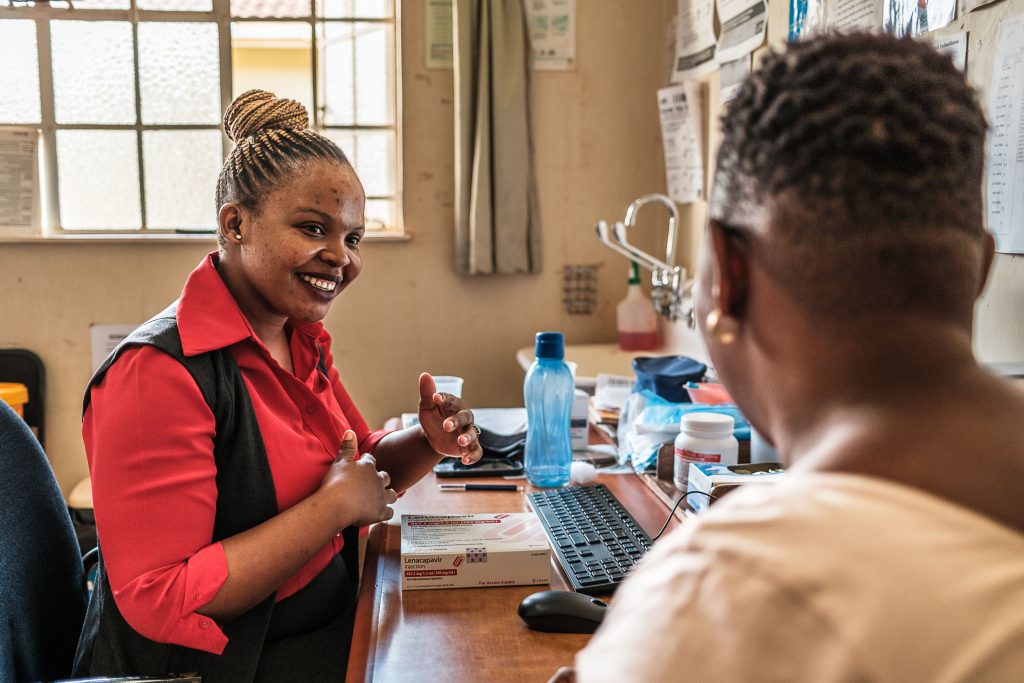
Our goal: To end HIV as a public health risk by supporting initiatives which expand testing and treatment, as well as scaling prevention. Increasingly, this includes integrated efforts to end TB, as a condition inherently connected to other disease areas, often appearing as a comorbidity alongside malnutrition, HIV and other conditions that weaken the immune system.
Related regions and programs
Read more about health and nutrition in the different regions and areas we work.
Other global opportunities