Reducing low birthweight in India: giving children a healthier start with RajPusht


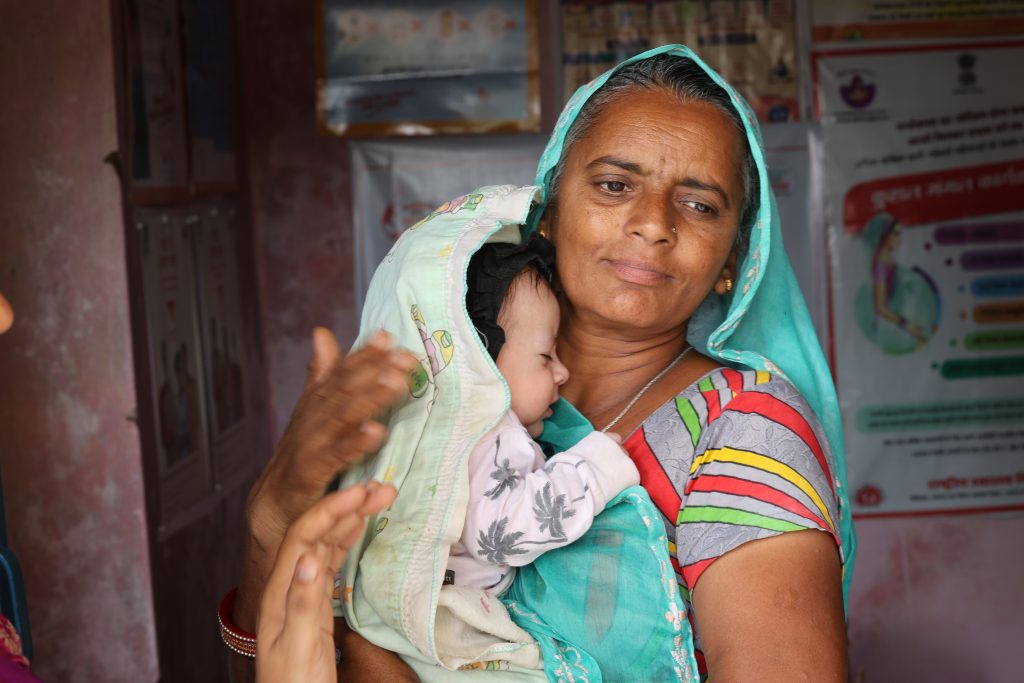
A child’s future begins before birth. India has made significant strides in maternal and child health, creating a powerful opportunity to ensure more babies are born healthy and have the strong foundation they need to grow and thrive from the very beginning.
Birth weight is one of the clearest indicators of this start. Babies born at a healthy weight are more likely to thrive, learn, and go on to lead productive lives. This is closely linked to the health and nutrition of mothers, especially during and post pregnancy, when the foundations for a child’s development are laid.
This presents a powerful opportunity. By strengthening maternal nutrition and antenatal care including management of anaemia during pregnancy, we can improve birth outcomes at scale and ensure that children have healthier start from day one. These early investments carry lifelong benefits: improving child development, strengthening human capital, and contributing to long-term economic growth.
RajPusht, a Rajasthan Government-led initiative launched in 2021,
focuses on improving nutrition during the most critical window of a child’s development – the first 1,000 days. The programme strengthens maternal nutrition during and after pregnancy, addressing a key determinant of birth weight and early childhood outcomes. By prioritising nutrition across this foundational period, RajPusht aims to support healthier pregnancies, improve maternal health, and give children a stronger start to life. Since its launch, over 3 million women have benefitted from the programme.
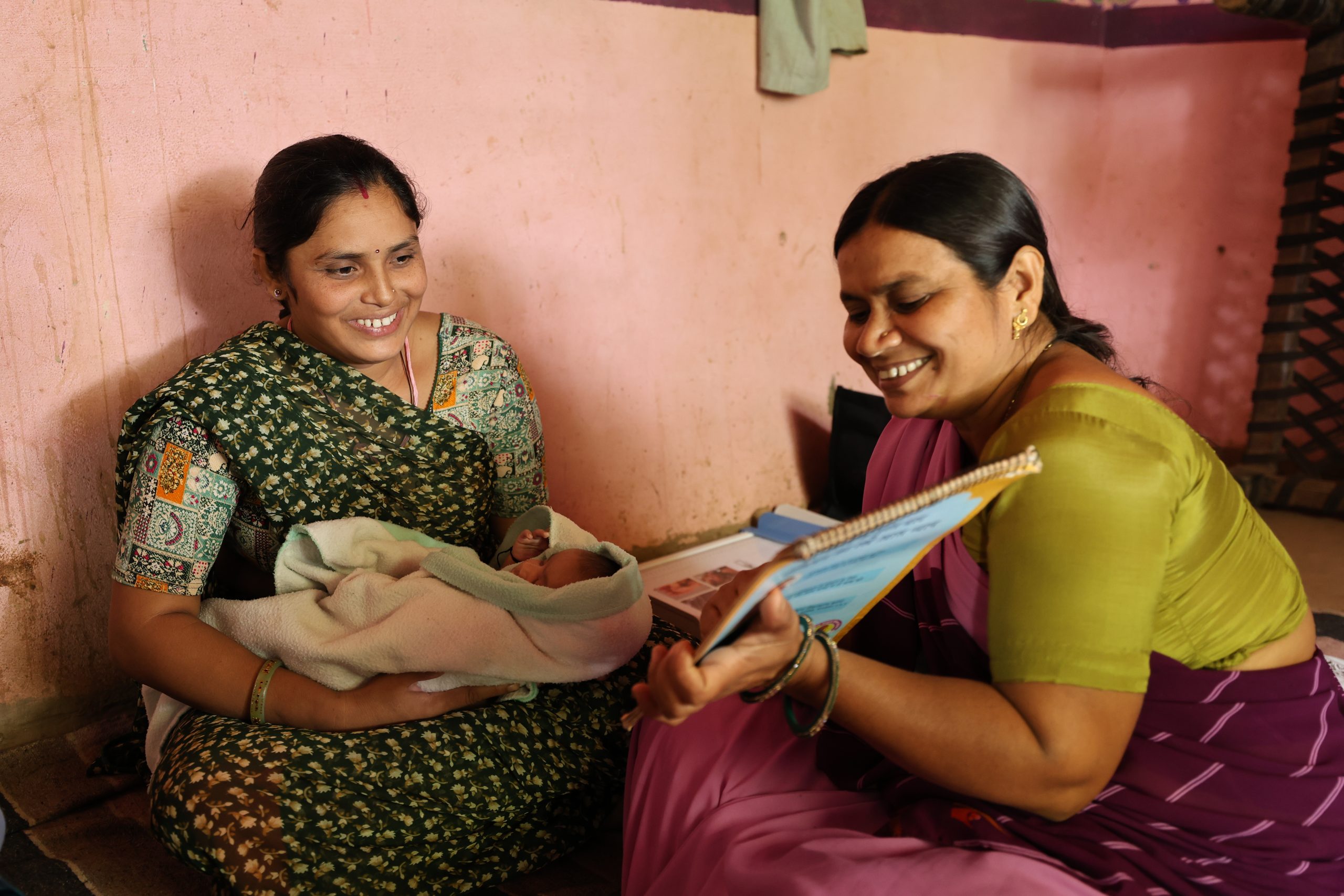
RajPusht follows a cash-plus delivery model anchored within existing government systems. It strengthens and converges maternity benefit schemes, enabling pregnant and lactating women to receive timely financial support to purchase nutritious, locally available food. This is complemented by regular counselling from frontline health and nutrition workers, community-based messaging, and awareness through digital media, ensuring that financial support translates into improved diets, adequate weight gain during pregnancy, and better use of health services.
Recognising that nutrition outcomes are shaped not only by income but also by social norms and household dynamics, RajPusht places strong emphasis on behaviour change. Through sustained engagement with women, their husbands, and family members, the programme promotes practical and culturally relevant nutrition practices, encourages rest and care during pregnancy, and fosters shared responsibility for maternal health. This helps create an enabling environment for women to act on nutrition advice.
The programme also strengthens systems and data for improved outcomes. By enhancing birth weight measurement and enabling routine tracking through digital tools, RajPusht supports frontline workers and administrators to monitor progress, identify risks early, and respond more effectively. This focus on data quality and real-time insights strengthens accountability and informs decision-making within the public system.
RajPusht offers a scalable model for other states by building on existing government schemes and delivery platforms, while integrating financial support with behaviour change and data-driven governance. Its design allows for adaptation across diverse contexts without requiring significant new infrastructure. As states look for practical approaches to improving maternal and child nutrition, RajPusht demonstrates how government-led, systems-based solutions can drive sustained improvements in birth weight and early life outcomes.
The programme was also recognised as a best practice in India’s Economic Survey 2025–26, which recommends institutionalising “cash-plus” welfare models that combine financial transfers with nutrition counselling and behaviour change communication.
In Rajasthan, the RajPusht programme demonstrates how a focused, system‑led approach can improve newborn weight by addressing both the immediate and underlying causes of poor outcomes.

Partners




The Government of Rajasthan leads the RajPusht programme, embedding it within state systems and aligning it with national and state nutrition schemes. By strengthening existing programmes and delivery platforms, the government ensures that improvements in maternal and newborn nutrition are sustained over time. Central to these systems are frontline workers, without whom this effort would not be possible; they serve as the first line of service delivery for RajPusht, translating programme design into consistent, last‑mile action for women and families.
IPE Global provides technical support to the Government of Rajasthan to implement the programme, and CIFF works very closely with IPE Global.
Communities and families are fundamental partners in the success of RajPusht, as its impact is realised at household level. Improvements in birth weight depend on a commitment to act on nutrition guidance. By engaging mothers, fathers, the full family, and entire communities, RajPusht fosters shared responsibility to helps shift social norms and ensure healthier practices are adopted and sustained.
Since 2021, RajPusht has supported over three million women in Rajasthan, combining cash transfers and access to nutritious food with social and behaviour change initiatives that encourage families and communities to prioritise maternal and newborn nutrition.
For children,
by improving maternal nutrition during pregnancy and supporting early breastfeeding, RajPusht directly reduces the prevalence of low birthweight, giving newborns a stronger start to grow and thrive. These early gains lay the foundation for better health, learning, and economic outcomes, helping break the intergenerational cycle of malnutrition.