Maternal and newborn health: partnering to deliver healthy beginnings in Africa


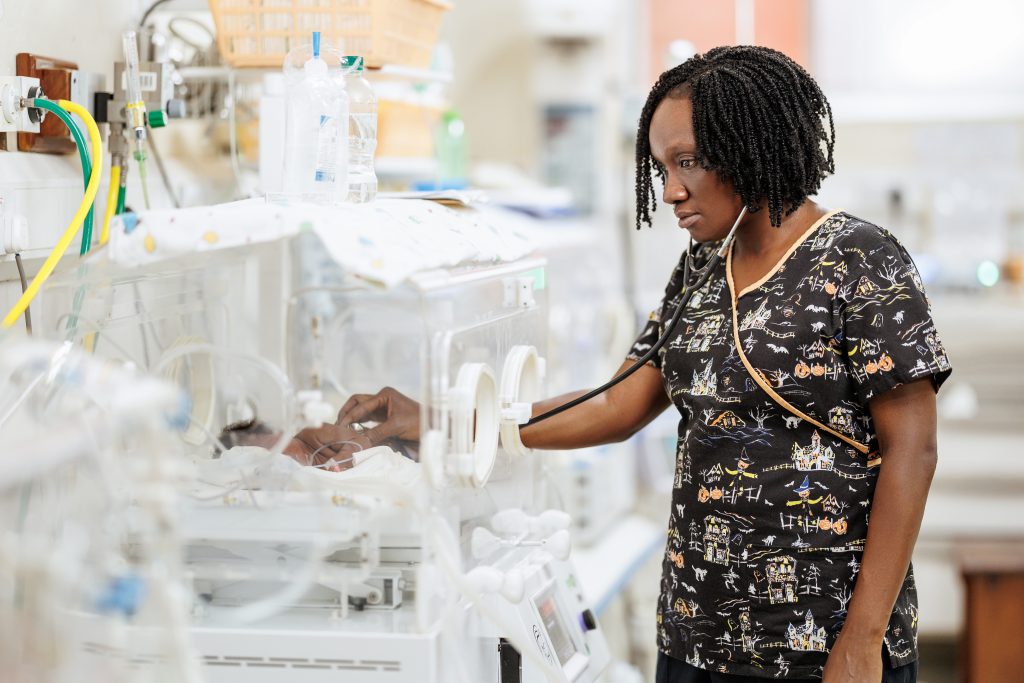
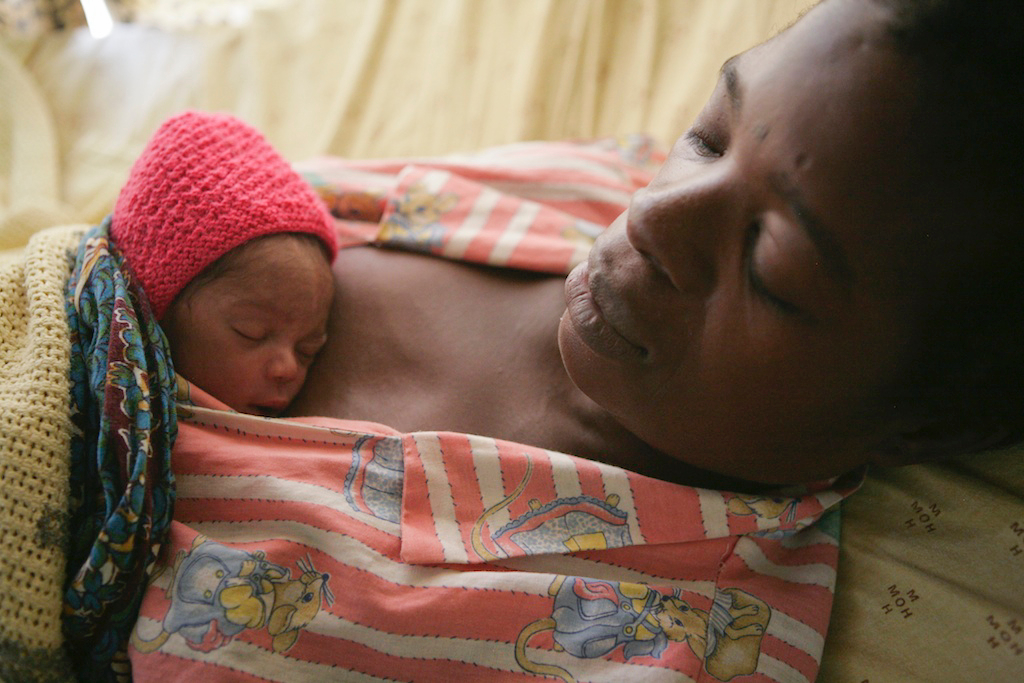
Maternal and newborn mortality is one of the most preventable global health challenges in the world today, yet it remains persistently underfunded, inhibiting lifesaving action. Across Africa, an estimated 182,000 women and 1.2 million newborns die each year from causes related to pregnancy, childbirth, and the first days of life, alongside nearly 950,000 stillbirths. The majority of these deaths are caused by conditions that are well understood and largely treatable with timely, quality care.
Despite significant global progress over the past two decades, improvements in maternal and newborn survival in Africa have slowed, with the annual reduction in the maternal mortality rate needing to improve by 1,200% in order to meet the UN’s Sustainable Development Goals (SDGs). The region still accounts for around 70% of global maternal deaths and nearly half of all newborn deaths worldwide. In many countries, women give birth in facilities that lack adequately trained staff, essential medicines, functional equipment, or reliable referral systems, meaning complications that should be easily manageable too often become fatal.
The consequences extend far beyond the moment of birth. Maternal and newborn deaths and disabilities place lasting emotional, social, and economic strain on families and communities, weakening health systems and undermining long-term development. For children who survive, poor-quality care at birth can result in lifelong health challenges, affecting cognitive development, educational outcomes, and future opportunity.
Addressing maternal and newborn mortality at scale
requires a sustained focus on the quality of care, strengthening the systems that ensure women and newborns receive safe, effective, and timely services across the continuum of care.
The Beginnings Fund was created in response to this challenge as a recognition that maternal and newborn survival is both one of the most urgent and one of the most solvable global health priorities. Launched in 2025, the fund brings together philanthropic partners to work alongside African governments to strengthen maternal and newborn health systems at scale.
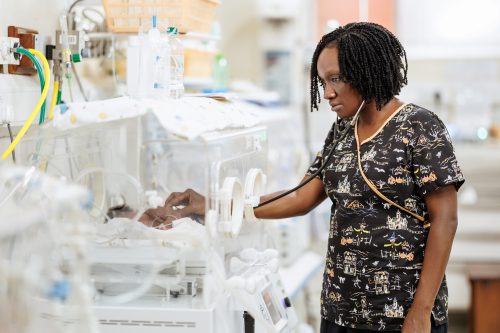
Rather than focusing narrowly on individual interventions, the Beginnings Fund invests across people, products, platforms and systems of care. This includes strengthening the maternal and newborn health workforce, scaling access to low-cost, evidence-based interventions, and reinforcing critical enablers of quality care such as data systems, referral networks and emergency transport. The fund prioritises high-burden settings where improvements in care quality can deliver the greatest impact.
Central to the Beginnings Fund’s approach is partnership with governments. By aligning investments with nationally defined priorities and existing health strategies, the fund supports countries to improve quality of care in ways that are sustainable, locally owned, and embedded within public health systems. This systems-led approach is designed not only to save lives today, but to strengthen health systems for generations to come.
Over its first five years, the Beginnings Fund aims to mobilise more than $500 million in coordinated investment, with the ambition to prevent over 300,000 avoidable deaths and improve the quality of care for 34 million women and newborns by 2030 across ten African countries.
Partners
The result of this work is a more resilient ecosystem for maternal and newborn health, rooted in national leadership and long-term system strengthening.




African governments play a central role in shaping and leading maternal and newborn health improvements. Through alignment with national strategies and health sector plans, the Beginnings Fund supports governments to strengthen quality of care within public health systems, ensuring reforms are locally owned and sustained over time.
A coalition of philanthropic partners, including CIFF, the Mohamed bin Zayed Foundation for Humanity, the Gates Foundation, Delta Philanthropies, and The ELMA Foundation, worked collaboratively to establish the Beginnings Fund. Through pooled capital, aligned with government-led strategies, these partners are helping to strengthen national health systems and support durable improvements in maternal and newborn care.
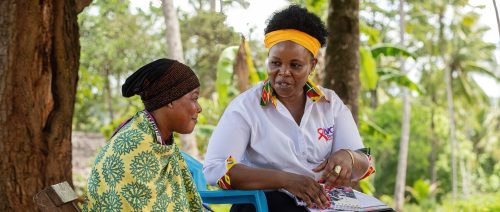
The fund works with a range of delivery organisations, technical experts, and local institutions to translate investment into improved care on the ground. These partners support workforce training, facility strengthening, data use, and system improvements in ways that are responsive to local contexts and needs.
Through coordinated, evidence-based investment, the Beginnings Fund aims to improve care for 34 million women and newborns by 2030, contributing to healthier families and stronger communities.
By strengthening health workers, facilities, and clinical systems in high-burden settings, the fund supports safer deliveries and better outcomes during the most critical moments of life, with the goal of protecting against over 300,000 preventable deaths.
Through direct government collaboration, the Beginnings Fund has worked with 10 countries, including Ethiopia, Ghana, and Malawi, to strengthen their health systems through quality care initiatives, specifically targeting health care facilities with high levels of maternal and newborn mortality.
For children,
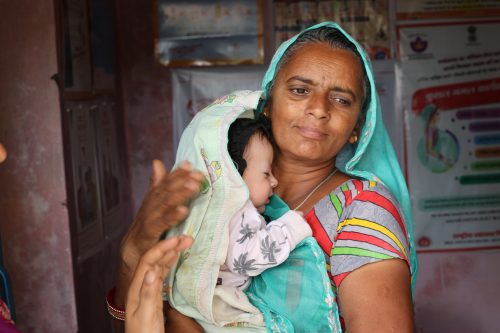
the quality of care at birth can shape the course of an entire lifetime. When mothers and newborns receive timely, high-quality care, children are more likely to survive their first days of life, avoid preventable complications, and begin life with stronger foundations for health and development.
Reducing preventable deaths and disabilities at birth also strengthens families and communities, supporting more stable caregiving, better early childhood development, and improved long-term opportunity. By investing in maternal and newborn health systems today, CIFF and its partners are helping ensure that more children not only survive, but are able to grow, learn, and thrive.