Ending child marriage: investing in girls’ futures through girl capital



Child marriage is one of the most pervasive and harmful violations of girls’ rights worldwide. Today, an estimated 40 million girls worldwide are living in marriages or unions formed during childhood. Each year, around 12 million girls are married as children.
Child marriage brings an early end to childhood and constrains entire futures. Girls who marry early are far less likely to stay in school, more likely to experience early and repeated pregnancy, and face significantly higher risks of violence, poor health outcomes, and economic dependency. Complications during pregnancy and childbirth are the leading cause of death for girls aged 15–19 globally, with devastating consequences for both young mothers and their children.
The drivers of child marriage are complex and deeply rooted in gender inequality, harmful social norms, and poverty. In many contexts, marriage is seen as an economic coping strategy, particularly during periods of crisis such as conflict, displacement, climate shocks, or economic instability. These pressures have intensified in recent years.
Beyond the human cost, child marriage carries profound social and economic consequences. Research shows that ending child marriage and enabling girls to complete secondary education increases women’s opportunities and lifetime earnings and can generate tens of billions of dollars in economic benefits. The case for action is both moral and economic.
Despite this, progress remains too slow, and funding for girls’ rights and child protection is under increasing strain. Estimates show that 0.025% of total official development assistance targeted this issue as a primary objective. Addressing child marriage requires more than isolated interventions. Because the practice is sustained by a combination of social norms, economic pressures, and limited opportunities for girls, lasting progress depends on coordinated action across education systems, communities, child and social protection services, and economic pathways for young women.
Through its Girl Capital strategy,
CIFF works to prevent and end child marriage by investing in the conditions that allow girls to thrive. The strategy recognises that child marriage is not driven by a single factor, but by a combination of poverty, gender inequality, harmful social norms, limited economic opportunities, and weak protection systems. As a result, CIFF takes a systems-level approach, addressing the multiple pressures that place girls at risk of early marriage while expanding pathways for them to realise their potential.
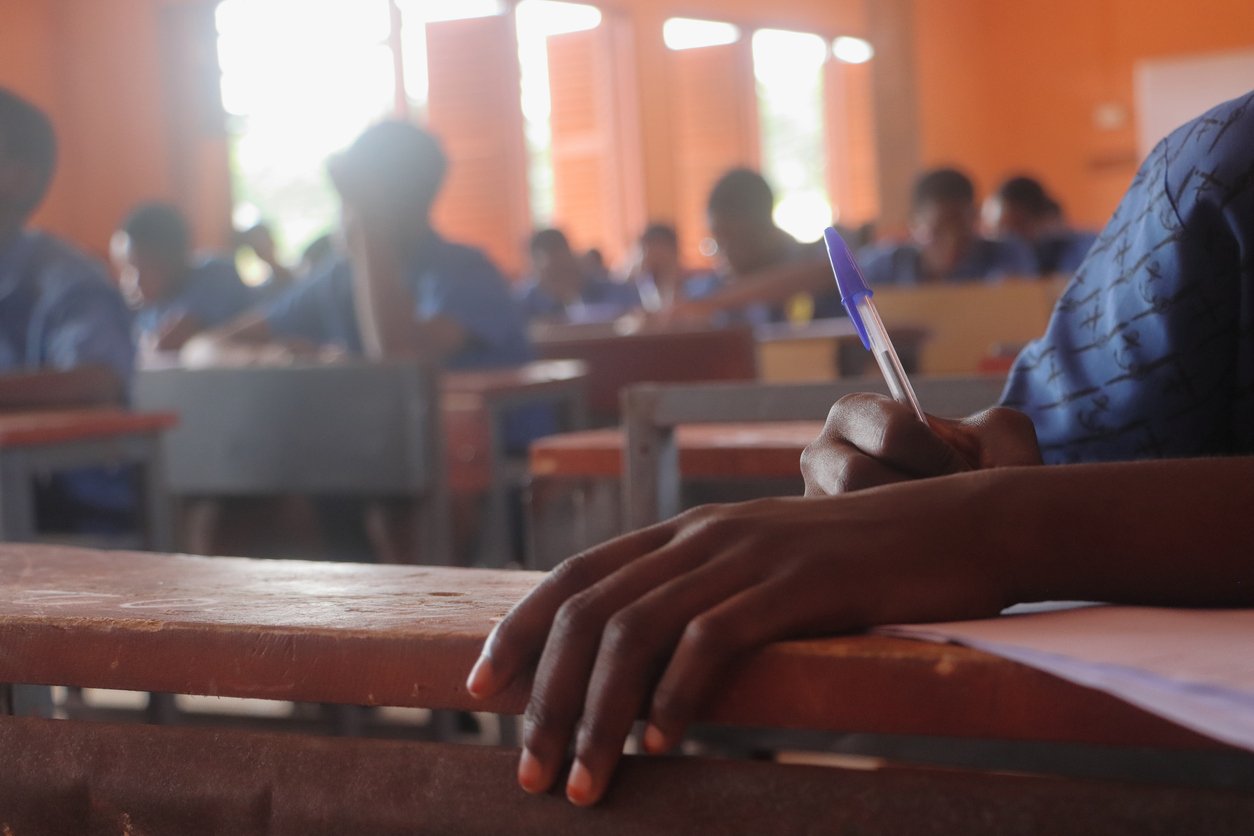
Central to this approach is ensuring that girls can remain in school and transition successfully into adulthood. Education is one of the strongest protective factors against child marriage: girls who complete secondary education are eight times less likely to become child brides and more likely to participate in the labour force. CIFF is investing over $290 million across Africa and India in programmes that help keep girls in schools, improve their learning, strengthen life and vocational skills, and expand opportunities for income generation. Evidence shows that combining interventions such as education alongside cash transfers, mentoring, or life skills development can significantly reduce child marriage risk while increasing economic activity among young women.
Girl Capital also places strong emphasis on local leadership. Lasting progress depends on communities themselves reshaping expectations around girls’ roles, education, and economic participation. Therefore, CIFF’s work prioritises partnerships with community-based organisations, girl-led movements, and survivors, ensuring solutions are grounded in local realities and driven by those closest to the issue.
Alongside community-level change, CIFF works closely with governments to strengthen national and sub-national responses and delivery of social protection benefits. In 2026, CIFF committed $20 million in partnership with the government of Malawi to support implementation of the country’s National Strategy on Ending Child Marriage (2024–2030), demonstrating a commitment to supporting government-led solutions at scale.
Finally, CIFF plays a catalytic role in mobilising global action. At the first Ministerial Conference on Ending Violence Against Children in 2024, CIFF announced its intention to commit $125 million over five years to initiatives that protect children from harm, with a strong focus on preventing and ending child marriage. By combining community action and government partnership CIFF aims to accelerate progress towards a future where every child, especially girls, can shape their lives and opportunities.
Partners




National governments are central to ending child marriage at scale. By strengthening legal frameworks, investing in girls’ education and protection systems, and implementing national strategies, governments create the policy environment that enables lasting change. CIFF works in support of government-led priorities, aligning investments with national plans and helping translate commitments into effective programmes. Partnerships with the government at the Central and State levels in India, and the government of Malawi demonstrate how coordinated action between philanthropy and government can accelerate progress and expand opportunities for girls.
Ending child marriage requires coordinated global action and sustained financing. CIFF works alongside other philanthropies, multilateral institutions, and bilateral donors to mobilise resources, strengthen the evidence base and align funding behind proven solutions. These partnerships help scale effective programmes, reduce fragmentation across the sector, and sustain momentum even in periods of fiscal pressure. By working collaboratively, partners can build the broader ecosystem needed to accelerate progress towards ending child marriage and protecting girls’ rights.
Grassroots organisations and girl-led movements play a vital role in shifting the social norms that sustain child marriage. Community-based partners work directly with girls, families, educators, and local leaders to raise awareness, support survivors, and promote alternatives to early marriage. CIFF prioritises partnerships with organisations rooted in local contexts, recognising that sustainable change must be driven from within communities themselves. By strengthening these networks, programmes can build trust, amplify girls’ voices, and create durable pathways for change.
CIFF supports government‑led strategies to prevent child marriage across India and Africa. This includes partnerships with the State Government of Rajasthan in India for a 'Bal Vivah Mukt Rajasthan' (Child Marriage‑Free Rajasthan), as well as a $20 million partnership with the Government of Malawi to support implementation of the country’s National Strategy on Ending Child Marriage (2024–2030).
CIFF has committed a total of $290 million by 2031 to support a full portfolio of work for ending violence against children globally, all of which contributes towards preventing and ending child marriage.
Through its Girl Capital strategy, CIFF has supported more than one million girls to stay in secondary schools. Research shows that girls who complete secondary school education at six times less likely to enter marriage during childhood, better allowing them to continue growing their futures, potential, and opportunities.
For girls,
ending child marriage means the freedom to choose their own futures. It means staying in school, growing up safe, and entering adulthood with agency, opportunity and hope.
When child marriage is prevented, girls are healthier, better educated and more economically secure. In the longer term, communities are stronger, and cycles of poverty and violence are broken.
By investing in girls and the systems that support them, this work ensures that dreams are not cut short, and that this generation of girls can shape a future defined by their ambitions and the right to choose.