Clean air: partnering to protect children’s health through cleaner air


Air pollution is one of the most serious and yet most preventable threats to children’s health worldwide. Every year, nearly seven million people die prematurely due to polluted air, and children are among the most vulnerable. Globally, one child dies every minute from causes linked to air pollution, making it the second leading cause of death in young children.
In Europe and around the world, progress has been made to reduce emissions from industry, transport, and energy systems, yet air pollution levels remain unsafe for much of the population. Globally, it is estimated that 99% of people globally breathe air that exceeds recommended limits, and in Europe alone, over 90% of urban residents are still exposed to pollutant concentrations above WHO guidelines.
For children, the consequences are profound. Exposure to polluted air begins before birth and continues throughout childhood, affecting lung development, immune function and long-term health outcomes. Air pollution is linked to low birth weight, preterm birth, respiratory infections, reduced lung function, and the development and worsening of asthma.
Children are not only more biologically vulnerable; they are also less able to engage in choices and activities to better protect themselves. They cannot choose where they live, where they go to school, or how they travel, and they have no direct power over the policies that determine air quality. Without decisive, coordinated action, polluted air risks limiting children’s health and life chances long before they reach adulthood.
Reducing air pollution at scale
requires more than isolated interventions. It demands coordinated action across policy, finance, civil society and the private sector, while also linking health, climate, and economic priorities into a shared agenda for change.
Clean Air Fund is the world’s largest philanthropically backed organisation, working to tackle air pollution through systemic action – from grassroots collaboration to government engagement – in their dedication to create a future where everyone breathes clean air. It partners with campaigners, researchers, governments, funders and businesses to promote data, build public demand for clean air, and drive sustained change.
Clean Air Fund supports policies that address air pollution at its sources, such as transport, industry and energy, and improving air quality in the places where children live, learn and spend their time. This means strengthening global frameworks and national measures, helping ensure that decision-makers have the data and evidence needed to take action.
As the causes of air pollution and climate change are closely linked, action on clean air can also support progress on decarbonisation, delivering long-term climate gains alongside immediate health benefits. Well-designed air quality policies reduce healthcare costs, deliver faster climate benefits, and support more liveable cities, demonstrating that protecting children’s health and supporting economic development can go hand in hand.
Achieving this level of change requires strong ecosystems: networks of governments, researchers, campaigners, funders and communities working together to translate evidence into action and sustain momentum over time.
With support from CIFF and other partners, Clean Air Fund is catalysing large-scale change by mobilising funding for air quality programmes, supporting action in dozens of cities, and encouraging multinational companies to reduce pollution across their value chains.
Partners





Philanthropic funders can help create the conditions in which governments, cities, and businesses can act decisively to protect children by investing in Clean Air Fund for the development of the systems, coalitions, and institutional capacity needed for ambitious clean air action to succeed and endure.
Through long-term support, this financial and programmatic support helps to strengthen evidence on the impacts of air pollution on children’s health, elevating clean air on political agendas.
Clean Air Fund acts as a catalytic platform within the global clean air ecosystem. As the largest philanthropic fund dedicated to tackling air pollution, it mobilises funding, strengthens coalitions, and translates evidence into policy action. Working with governments, researchers, civil society and businesses, it helps improve air quality data, build public demand, and advance ambitious standards across transport, energy, and industry. Its focus is systemic change, ensuring clean air is embedded within health, climate and development agendas.
Governments are central to delivering sustained reductions in air pollution. They set standards, regulate emissions, invest in clean infrastructure, and align air quality policy with climate and public health goals. Through strengthened monitoring systems, cross-ministerial coordination, and evidence-informed policymaking, governments can address pollution at its source. When national and local authorities adopt ambitious air quality measures and enforce them effectively, they create the structural conditions needed to protect children’s health at scale.
The private sector plays a critical role in reducing air pollution across value chains and supporting ambitious policy outcomes. Through initiatives such as the Alliance for Clean Air, launched by the World Economic Forum in partnership with Clean Air Fund, companies are measuring and addressing air pollutant emissions alongside their climate targets. Practical guidance now enables firms to quantify emissions across sectors including energy, transport, industry and agriculture, strengthening accountability and action. By shifting operations and advocating for clear standards, the private sector can reinforce government leadership and accelerate progress toward cleaner air.
EU member states adopted the revised Ambient Air Quality Directive (AAQD) in 2024. This legislation puts all EU member states on a path towards meeting World Health Organization (WHO) air quality guidelines. The new AAQD sets binding air quality standards for countries to achieve by 2030 for all major pollutants, doubling the ambition of the previous limits. In 2025, the UK government brought forward its commitment to meet the WHO guideline, aligning with the ambition of the EU.
The G20 Leaders’ Declaration notes the importance of tackling climate change and addressing the risks from air pollution. Leaders also endorsed the historic G20 Cape Town Declaration on Air Quality from October 2025, which put air quality on the G20 agenda as a standalone priority for the first time.
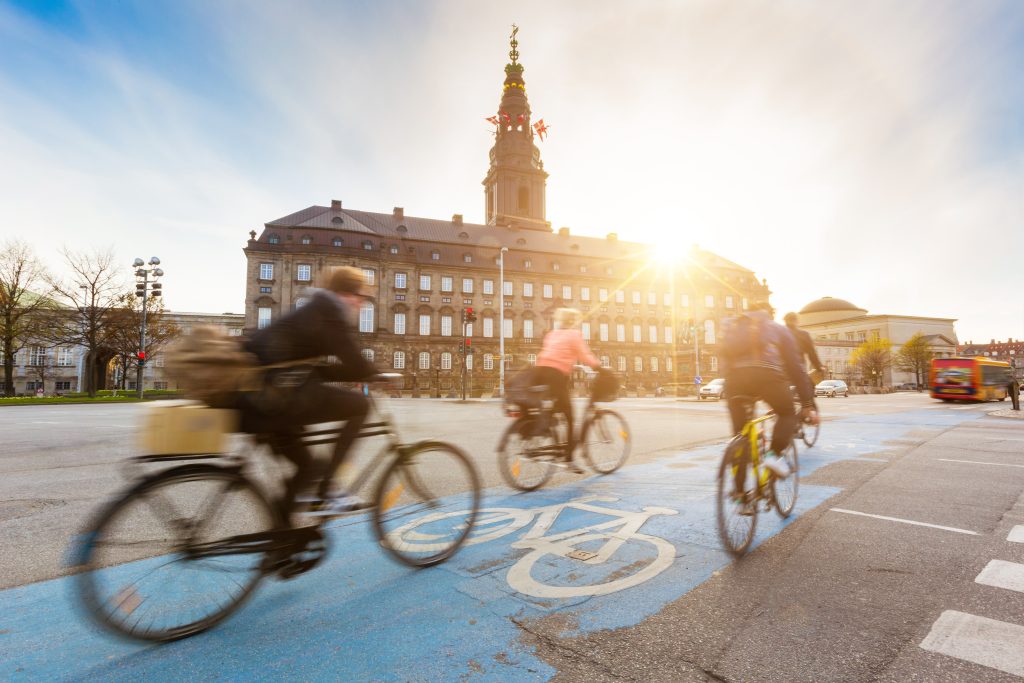
Air quality is improving, following the success of multiple UK Government-backed initiatives, as well as efforts to increase public awareness and demand, leading to community-led monitoring programmes such as Breathe London and the School Street Initiative – which reduces vehicle traffic around schools in the UK, Germany Czechia, and Austria. Research is showing a reduction of nitrogen dioxide by as much as 23%.
For children,
clean air is fundamental to a healthy start in life. Lower air pollution reduces the risk of asthma, respiratory infections and impaired lung development, supporting stronger physical health and wellbeing throughout childhood. These benefits matter most for children growing up in low-income and marginalised communities, who are often the most exposed to polluted environments and the least able to make change. By prioritising clean air, governments can help ensure that children’s life chances are shaped less by where they are born and more by their potential. Healthier children experience fewer illnesses and hospital visits, attend school more consistently, and are better able to participate fully in daily life, helping children to learn, play and thrive.